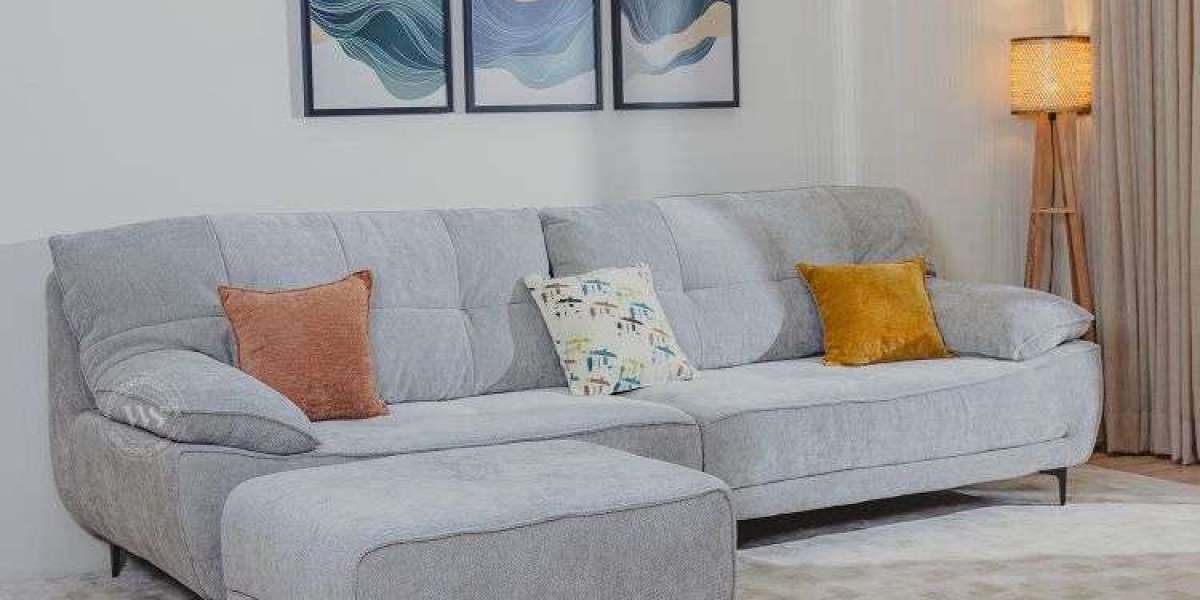

Many buyers focus only on appearance, but long term satisfaction comes from choosing the right combination of durability, proportion, and style suitability. Understanding these aspects beforehand helps avoid common mistakes and ensures the sofa complements both lifestyle and interior planning.
Choosing the Right Material for Everyday Comfort and Durability
Material selection plays a crucial role in how an l shape sofa performs over time. Upholstery affects comfort, maintenance effort, and overall longevity. Fabric sofas are often preferred for their softness and breathable feel, making them comfortable for extended seating. They work well in homes where relaxed lounging is a priority. However, fabric quality matters greatly, as tightly woven materials resist wear better and hold their appearance longer.
Leather and leather like materials offer a more structured and premium look. They are easier to clean and less likely to trap dust, which makes them suitable for homes where maintenance simplicity is important. However, temperature sensitivity and surface care should be considered, especially in regions with changing climates.
For households with children or frequent guests, stain resistant and high performance fabrics are a practical choice. These materials are designed to handle spills and friction without losing texture or color. The internal materials are equally important, including the type of foam and support used beneath the upholstery. High density foam maintains shape longer and provides better seating support, which is essential for an l shape sofa that is used daily.
Measuring Space Accurately Before Finalizing Size
Size is one of the most critical considerations before purchasing an l shape sofa. Because it occupies two connected sides of a room, incorrect measurements can disrupt movement and make the space feel cramped. Measuring the available floor area carefully helps determine whether the sofa should be compact or expansive. Room dimensions should include wall length, walking pathways, and clearance near doors or windows.
Ceiling height and overall room scale also influence how large the sofa should appear visually. In smaller rooms, a bulky l shape sofa with wide arms and deep seats can overwhelm the space. In contrast, larger living areas benefit from fuller designs that fill the room proportionately. Seat depth and height should align with comfort preferences, as deeper seats encourage lounging while moderate depth supports upright sitting.
Orientation is another size related factor. Determining whether the longer section should extend to the left or right ensures the sofa fits naturally into the room layout. This decision should be based on room flow rather than visual preference alone, as proper orientation maintains openness and usability.
Understanding Proportion and Layout Compatibility
Proportion goes beyond raw measurements and focuses on balance within the room. An l shape sofa should align with other furniture elements such as coffee tables, side tables, and media units. When proportions are mismatched, even a well designed sofa can look out of place. Maintaining visual harmony ensures the sofa integrates seamlessly into the living area rather than dominating it unnecessarily.
The layout of the room influences how the sofa is perceived and used. Open plan homes often benefit from an l shape sofa as it helps define seating zones without adding partitions. In compact apartments, the same sofa can serve multiple purposes by maximizing corner space efficiently. Choosing a size that complements the layout supports functional movement and enhances overall comfort.
Exploring Style Options That Match Interior Themes
Style selection determines how well the l shape sofa blends with existing decor. Modern interiors typically favor clean lines, low profiles, and neutral tones that keep the room visually light. Traditional spaces may lean toward softer curves, detailed stitching, or textured fabrics that add warmth and depth. Minimalist homes benefit from simple designs that focus on form and function rather than decorative elements.
Color plays a major role in style impact. Light shades make the room feel open and spacious, while darker tones add contrast and depth. Patterns and textures should be chosen carefully to avoid visual clutter, especially in smaller rooms. The legs and base design also influence the overall style, as raised legs create an airy look while solid bases feel grounded and substantial.
Consistency with the rest of the furniture ensures a cohesive interior. Mixing styles can work when done intentionally, but it requires careful balance to prevent visual conflict. An l shape sofa often becomes the anchor piece, so its style should align with the broader design language of the home.
Evaluating Functionality Alongside Aesthetic Appeal
Functionality is just as important as appearance when choosing an l shape sofa. Some designs include additional features such as extended loungers or adjustable sections that enhance comfort. While these features add versatility, they also affect size and placement, making it essential to evaluate whether they suit the available space.
Seating capacity should match household needs. A larger family may require a sofa that accommodates multiple users comfortably, while smaller households may prioritize open space over extra seating. Armrest width, backrest height, and cushion firmness all influence how functional the sofa feels during daily use.
Storage considerations may also influence material and style choices. Designs that include hidden compartments often require sturdier frames and specific upholstery types. Ensuring that functionality aligns with material durability prevents premature wear and maintains structural integrity over time.
Considering Maintenance and Long Term Usability
Long term usability depends heavily on how easy the sofa is to maintain. Certain materials require regular cleaning and careful handling, while others are more forgiving. Choosing a material that suits daily habits reduces upkeep stress and extends the life of the l shape sofa.
Style longevity should also be considered. Trend driven designs may look appealing initially but can feel outdated quickly. Timeless styles with neutral finishes tend to age better and adapt easily to decor changes. This flexibility is especially valuable for larger furniture pieces that are not replaced frequently.
Quality construction supports durability regardless of material or style. Strong frames and reliable support systems ensure the sofa maintains its shape and comfort even with regular use. Investing time in evaluating these aspects leads to a more satisfying purchase experience.
Making an Informed and Confident Decision
Buying an l shape sofa is a significant decision that affects comfort, aesthetics, and spatial efficiency. By carefully evaluating material quality, size suitability, and style compatibility, buyers can select a sofa that enhances their living space rather than complicating it. Thoughtful planning ensures the sofa supports daily routines while maintaining visual balance.
Understanding these considerations helps transform the buying process from a visual choice into a practical investment. When material, size, and style align with lifestyle needs and room dimensions, an l shape sofa becomes a long lasting centerpiece that delivers comfort and functionality for years to come.