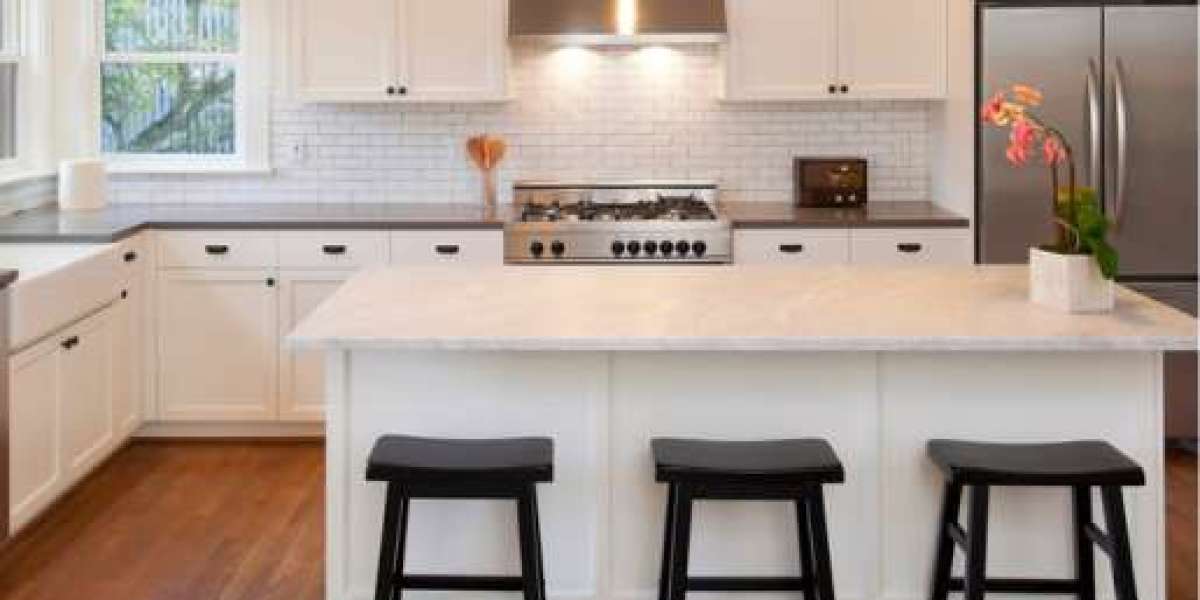

As homes become more compact and routines more fast paced, the need for efficient planning has increased. This is where modular kitchen design plays an important role. By combining smart layouts with intelligent design concepts, a modular kitchen helps create an organized, comfortable, and visually appealing cooking environment.
What Defines a Modular Kitchen Layout
A modular kitchen layout refers to a system where the kitchen is designed using pre made cabinet units that fit together seamlessly. These modules are planned to maximize space usage while maintaining easy movement and access. Unlike traditional kitchens that are built entirely on site, modular kitchens follow a structured approach that allows better control over storage, workflow, and finishes. Modular kitchen design focuses on flexibility, making it easier to adapt the layout according to room size, user habits, and storage needs.
Importance of Layout Planning in Modular Kitchens
The layout is the foundation of any successful kitchen. It determines how efficiently tasks such as cooking, cleaning, and storage are managed. In modular kitchen design, layout planning ensures that essential zones are positioned logically. A well planned layout reduces unnecessary movement and helps maintain a smooth workflow. Factors like door openings, appliance placement, and counter space are all considered at the design stage, resulting in a kitchen that feels intuitive and easy to use.
Popular Modular Kitchen Layout Types
Different homes require different kitchen layouts depending on available space and usage patterns. One of the most common layouts is the straight kitchen, which works well in compact apartments where space is limited. The L shaped layout is ideal for medium sized kitchens and allows for efficient corner usage. U shaped kitchens provide ample storage and counter space, making them suitable for larger homes. Parallel kitchens are designed for narrow spaces and offer excellent functionality by placing work areas opposite each other. Each of these layouts supports modular kitchen design by offering structured zones and organized storage.
Smart Kitchen Design and Its Growing Relevance
Smart kitchen design focuses on improving convenience and efficiency through thoughtful planning and the use of modern solutions. It goes beyond aesthetics and emphasizes ease of maintenance, accessibility, and comfort. Smart design concepts include ergonomic cabinet heights, easy to reach storage, and optimized counter depths. When combined with modular kitchen design, these concepts create a kitchen that supports everyday activities while reducing physical strain and clutter.
Role of Storage in Modular Kitchen Design
Storage is one of the strongest advantages of a modular kitchen. Smart storage solutions ensure that every inch of space is utilized effectively. Deep drawers, pull out units, corner mechanisms, and overhead cabinets help organize utensils, cookware, and groceries. Modular kitchen design allows storage to be customized based on cooking habits, making frequently used items easily accessible. This structured approach reduces mess and keeps the kitchen looking clean and organized at all times.
Ergonomics and User Comfort in Kitchen Planning
Ergonomics plays a crucial role in creating a comfortable kitchen experience. A well designed modular kitchen takes into account the height of the user, reach range, and movement flow. Countertop heights are planned to minimize bending, while cabinets are positioned to avoid unnecessary stretching. Smart kitchen design ensures that appliances are placed at convenient levels, reducing fatigue during long cooking sessions. These ergonomic considerations make daily tasks more enjoyable and efficient.
Integration of Technology in Smart Kitchens
Technology has become an integral part of modern kitchen planning. Smart kitchen design incorporates features that enhance safety, efficiency, and convenience. Automated lighting, soft close mechanisms, and sensor based systems improve usability. Modular kitchen design supports easy integration of these technologies due to its structured layout and concealed fittings. Technology not only improves functionality but also contributes to a sleek and modern appearance.
Material Selection and Finishes for Modular Kitchens
The choice of materials and finishes significantly impacts the durability and look of a kitchen. Modular kitchen design offers a wide range of material options that suit different lifestyles and budgets. Finishes are selected based on ease of cleaning, resistance to moisture, and long term performance. Smart kitchen design favors materials that are low maintenance and durable, ensuring that the kitchen remains functional and attractive for years to come.
Lighting Concepts in Modular Kitchen Design
Lighting plays a vital role in enhancing both functionality and ambiance. A well lit kitchen improves visibility during cooking and cleaning tasks. Smart kitchen design includes a combination of task lighting, ambient lighting, and accent lighting. Modular kitchen design allows lighting to be integrated seamlessly under cabinets and inside storage units. Proper lighting not only improves efficiency but also highlights the overall design of the kitchen.
Adapting Modular Kitchens to Modern Lifestyles
Modern lifestyles demand kitchens that are flexible and multifunctional. Modular kitchen design supports this by allowing easy modifications and upgrades. As family needs change, storage units and layouts can be adjusted without major structural work. Smart kitchen design focuses on creating a space that supports cooking, dining, and social interaction. This adaptability makes modular kitchens suitable for both small apartments and large homes.
Sustainability and Efficient Kitchen Design
Sustainable design is becoming increasingly important in home planning. Modular kitchen design promotes efficient use of materials and reduces waste during installation. Smart kitchen design emphasizes energy efficiency, water conservation, and long lasting materials. These practices contribute to a more responsible approach to home design while ensuring that the kitchen remains practical and future ready.
Why Modular Kitchen Design Is the Preferred Choice Today
The growing popularity of modular kitchens can be attributed to their structured planning and modern appeal. Modular kitchen design offers a balance of functionality, aesthetics, and convenience. When combined with smart kitchen design concepts, it results in a space that is efficient, comfortable, and visually pleasing. Homeowners today value kitchens that simplify daily routines while enhancing the overall look of their homes.
Conclusion
Understanding modular kitchen layouts and smart kitchen design concepts is essential for creating a kitchen that meets modern living requirements. From efficient layouts and intelligent storage to ergonomic planning and technology integration, every element works together to improve usability. Modular kitchen design provides the flexibility and structure needed to design a kitchen that adapts to changing needs while maintaining long term functionality. A well planned modular kitchen is not just a design choice but a practical investment in everyday comfort and efficiency.