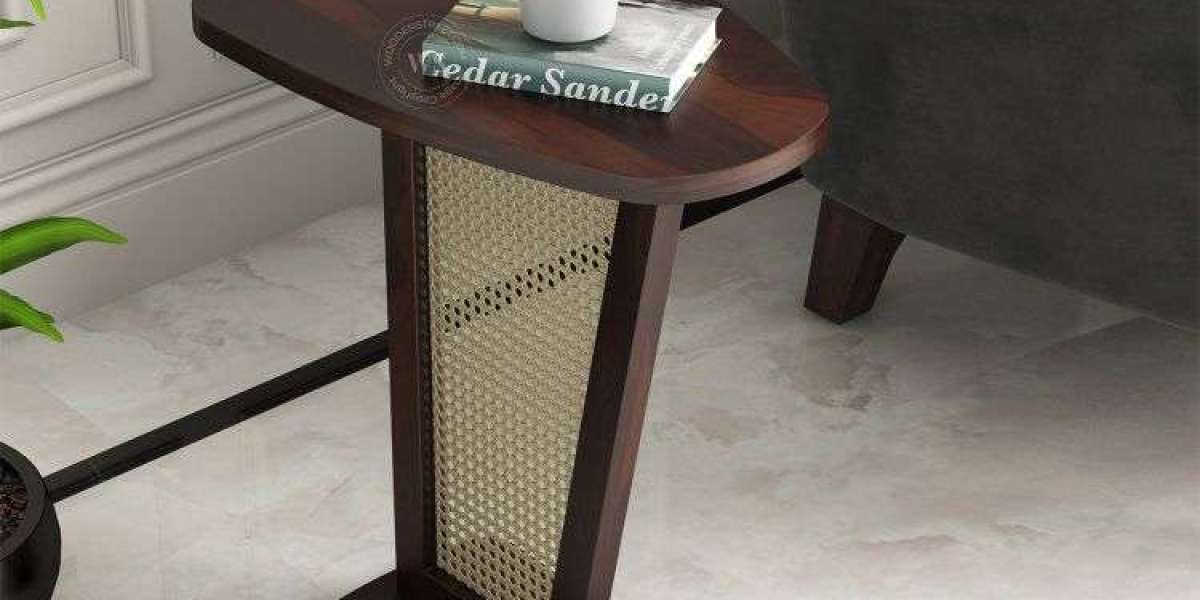

Whether placed beside a sofa, next to a bed, or in a cozy reading corner, a side table serves as a practical surface while also contributing to the overall design theme. In today’s interiors, where space efficiency and visual harmony matter greatly, selecting the right side table requires thoughtful consideration.
Understanding the Purpose of a Side Table
Before choosing a side table, it is important to understand how it will be used in your space. In modern homes, furniture is expected to be both functional and versatile. A side table can act as a surface for placing daily essentials like books, lamps, or beverages, while also serving as a decorative element. In living rooms, it often complements seating arrangements, while in bedrooms, it works as a convenient companion to the bed.
The purpose of your side table will influence its size, design, and features. For instance, if it is meant to hold frequently used items, a design with storage or shelves might be more suitable. On the other hand, if the goal is to enhance visual appeal, a sleek and minimal design could be ideal.
Choosing the Right Size and Proportion
One of the most practical aspects of selecting a side table is ensuring that it fits well within the available space. A table that is too large can make a room feel crowded, while one that is too small may not serve its intended purpose effectively. Proportion plays a crucial role in maintaining balance within a room.
In a living room setting, the height of the side table should align closely with the armrest of the sofa or seating arrangement. This ensures convenience and comfort when placing or picking up items. In a bedroom, the height should be compatible with the mattress level to create a seamless and accessible setup.
Modern homes often prioritize open layouts, so it is essential to choose a side table that blends naturally with the surroundings without obstructing movement or making the area feel cluttered.
Selecting the Ideal Material for Durability and Style
Material selection is another important factor when choosing a side table. The material not only affects the durability of the table but also influences the overall look and feel of the space. Wooden tables offer a timeless appeal and bring warmth to interiors, making them a popular choice for many modern homes. Metal designs, on the other hand, provide a contemporary and industrial touch, while glass options create a sense of openness and lightness.
The choice of material should align with your lifestyle and usage needs. For households with frequent use, sturdy materials that can withstand wear and tear are ideal. At the same time, the finish and texture should complement the existing décor to maintain a cohesive look.
Matching the Design with Interior Aesthetics
A side table should seamlessly integrate with the overall design theme of your home. Modern interiors often emphasize clean lines, minimalism, and functionality. Therefore, selecting a design that reflects these characteristics can enhance the visual harmony of the space.
For contemporary settings, simple geometric shapes and neutral tones work well. In contrast, if your home features a more eclectic or artistic style, you might opt for a side table with unique patterns or finishes. The key is to ensure that the table complements the existing furniture rather than overpowering it.
In addition to design, color coordination plays a vital role. A well-matched side table can tie together different elements of a room, creating a unified and aesthetically pleasing environment.
Considering Storage and Functionality
Modern living often demands furniture that can do more than just serve a single purpose. A side table with added storage features can be highly beneficial, especially in compact homes where space optimization is crucial. Drawers, shelves, or hidden compartments can help keep everyday items organized and easily accessible.
Functionality should always be balanced with design. While additional features are useful, they should not compromise the visual appeal of the side table. A well-designed piece can offer both practicality and style without appearing bulky or out of place.
Placement and Versatility in Modern Homes
The placement of a side table can significantly impact its usefulness. In modern homes, where flexibility is valued, a side table should be easy to move and adapt to different settings. It can be placed next to a sofa for convenience, used as a bedside companion, or even positioned in an entryway to hold essentials.
Versatility is an important aspect to consider. A side table that can serve multiple purposes adds value to your space. For example, it can function as a temporary workspace, a display surface for decorative items, or even a compact dining spot when needed.
Careful placement also ensures that the table does not disrupt the flow of the room. It should enhance accessibility while maintaining a clean and organized layout.
Balancing Aesthetics with Everyday Practicality
While design and appearance are important, a side table should ultimately meet your everyday needs. It should be easy to maintain, durable, and suited to your lifestyle. A visually appealing table that lacks practicality may not be a worthwhile investment in the long run.
Modern homes often reflect a blend of comfort and style. Therefore, the ideal side table should strike a balance between these two aspects. It should enhance the look of your space while also making daily activities more convenient.
Choosing a table that aligns with your habits and preferences ensures that it remains a useful and valued part of your home.
Final Thoughts on Choosing the Perfect Side Table
Selecting the perfect side table for a modern home involves more than just picking a design that looks good. It requires careful consideration of purpose, size, material, functionality, and placement. Each of these factors contributes to creating a piece that not only fits seamlessly into your space but also enhances your daily living experience.
A thoughtfully chosen side table can transform a room by adding both convenience and style. By focusing on practical insights and aligning your choice with your lifestyle, you can find a table that meets your needs while elevating the overall ambiance of your home.